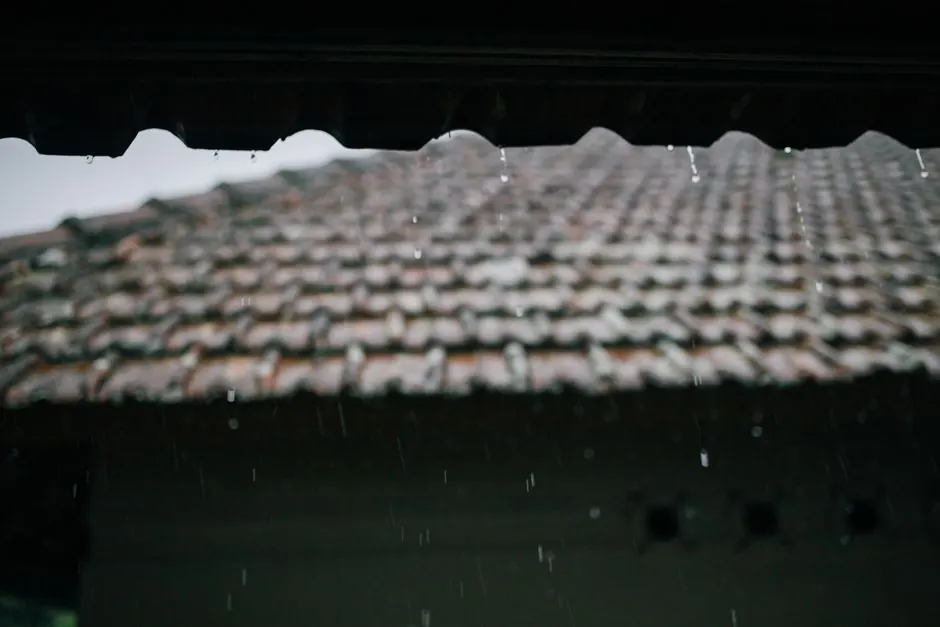
Valrico homeowners experience a changing mix of strong sunshine, high temperatures, humidity, heavy rainfall and seasonal storms. These conditions can affect roofing materials and the components that keep water out of a home. A roof may look sound from the street while weather exposure gradually contributes to loose shingles, drainage problems or moisture concerns.
Understanding how Florida weather affects roofs can help homeowners recognize warning signs, plan seasonal maintenance and decide when a professional inspection may be appropriate. Valrico is part of the Tampa Bay region, where much of West Central Florida has a distinct rainy season. The National Weather Service describes this rainy season as generally running from late May to early October. The Atlantic hurricane season officially runs from June 1 through November 30, according to NOAA hurricane preparedness guidance.
This guide explains how heat, humidity, rain and wind affect roofing components, what to look for during each season, and practical ways to approach roof maintenance in Florida.
Understanding Valrico, Florida's Year-Round Weather
Valrico experiences the warm, humid conditions common across West Central Florida. Although individual weather conditions vary from year to year, the region generally has a warmer, wetter part of the year and a cooler, comparatively drier period.
The National Weather Service's Tampa Bay climate information provides useful regional context. Tampa's 1991–2020 climate normals show an average summer high of approximately 90.9°F, compared with approximately 73°F in winter. Regional rainfall is also substantially higher during summer than winter. These are Tampa climate figures, not measurements specific to every property in Valrico, but they help illustrate the seasonal pattern in the surrounding area.
The rainy season
The rainy season across much of West Central Florida generally begins around late May and continues into early October. Afternoon thunderstorms, periods of heavy rainfall and high humidity become more common. During this period, gutters, downspouts, roof valleys and other drainage areas need to move water away effectively.
Hurricane season
The Atlantic hurricane season officially runs from June 1 to November 30. Not every tropical system affects Valrico, but storms can bring strong winds and heavy rain that test a roof's ability to resist water intrusion. Preparing before storm season and checking for visible damage afterward are sensible parts of home maintenance.
How Florida Weather Affects Different Roofing Components
A roof is a system rather than a single surface. Shingles, underlayment, flashing, roof edges, gutters, ventilation and drainage all contribute to protecting a home. Weather may affect each component differently.
Strong sunlight and ultraviolet exposure
Prolonged sunlight and ultraviolet radiation can contribute to the gradual aging of some roofing materials. For asphalt shingles, weathering may affect the surface and contribute to the loss of protective granules over time. Some granule loss is expected as shingles age, but unusually heavy or concentrated granule accumulation in gutters may deserve closer attention. This sign alone does not establish that a roof needs replacement; it is a reason to consider an assessment.
High temperatures and temperature changes
Roof surfaces can become considerably hotter than the surrounding air under direct sunlight. Repeated heating and cooling can cause roofing materials and some connections to expand and contract. Over time, these cycles may contribute to wear in materials, sealants and joints. The extent depends on the roof design, materials, installation, age and maintenance.
Attic ventilation is also part of the roof system. Poorly managed attic heat can contribute to uncomfortable indoor conditions and may affect some roofing components. Homeowners should not assume that every warm attic indicates a roof defect; ventilation needs to be assessed in the context of the whole building.
Humidity and moisture exposure
High outdoor humidity does not automatically mean a roof is leaking. However, moisture management inside the attic matters. Inadequate ventilation, air leakage from living spaces and other moisture sources can contribute to condensation. Persistent moisture may affect insulation and wood components and create conditions that encourage mold growth.
Warning signs worth investigating include a persistent musty smell, visible condensation, damp or compressed insulation, ceiling discoloration and wood surfaces showing prolonged moisture exposure. These symptoms can have several causes, so an assessment may need to consider both the roof and indoor moisture sources.
Heavy rainfall and roof drainage
Heavy rain tests how effectively a roof sheds water. Roofing materials, valleys, flashing, gutters and downspouts work together to keep water out. Blocked gutters may overflow near the roof edge, while poor drainage can direct water toward walls or the foundation.
Roof valleys collect and channel water from adjoining roof sections. Flashing protects vulnerable transitions and openings. If you notice water stains after rainfall, do not assume the stain is directly below the entry point: water can travel along roof decking and other building components before appearing indoors. For a closer look at one potential leak source, read our guide to roof flashing leaks in Florida homes.
Strong winds and storms
Thunderstorms and tropical weather can bring winds that affect roofing materials. Depending on wind speed, roof design, material condition and installation, wind may lift, loosen or displace shingles and other components. Wind-driven rain can also reach vulnerable joints when materials, seals or flashing are damaged. After a significant storm, look for visible signs from the ground; do not climb onto the roof to investigate.
How Each Season Affects Your Roof in Valrico
Winter: Review the roof after the wetter months
Winter is generally cooler and comparatively drier than the summer rainy season in the Tampa Bay region. It can be a useful time to review roof conditions and address maintenance concerns. From the ground, look for visible shingle damage, check whether gutters drain properly, and review any ceiling stains or leaks noticed during the previous rainy season. Arrange an inspection if you see damage or recurring moisture.
Spring: Prepare before the rainy season
Spring is a practical time to prepare for the increase in rainfall that generally occurs toward late May. Check gutters and downspouts for leaves and debris, look for obvious shingle displacement, and pay attention to visible roof edges and drainage areas. If the roof has not been assessed for some time, a professional inspection before the rainy season may help identify maintenance needs.
Summer: Monitor heat, humidity and heavy rain
Summer brings high temperatures, humidity and frequent thunderstorms across much of West Central Florida. Pay attention to drainage and signs of water intrusion. After heavy rainfall, check accessible indoor areas for new ceiling stains or dampness. Keep gutters and downspouts clear when it is safe to do so. Never attempt roof repairs during thunderstorms, high winds or wet conditions.
Fall: Stay alert during hurricane season
Fall remains part of the Atlantic hurricane season, which officially ends on November 30. Continue monitoring official weather information and check the property after significant storms have passed. Look from the ground for missing or lifted shingles, damaged gutters, fallen branches, debris and new water stains inside the home. If you suspect damage, arrange a professional assessment.
Common Signs That Florida Weather May Have Damaged Your Roof
Weather-related problems are not always immediately obvious. Some damage can be seen from the ground, while other issues become apparent only after water enters the home. Pay attention to these signs:
- Missing, lifted or damaged shingles: Displaced, curled or cracked shingles may indicate weather exposure, aging or another roofing issue.
- Water stains on ceilings or walls: Brown or yellow discoloration, peeling paint or damp patches may indicate water intrusion.
- Excessive granules in gutters: Some granule loss is normal as asphalt shingles age, but unusually heavy or localized accumulation may warrant closer inspection.
- Damaged flashing or roof penetrations: Visible gaps, displacement or deterioration around roof openings and transitions may create opportunities for water entry.
- Gutter and drainage problems: Overflowing gutters, sagging sections and blocked downspouts can interfere with water management.
If you notice one or more of these conditions, consider arranging a professional roof inspection to determine whether repairs or further investigation are appropriate.
How to Prepare Your Roof for Florida Weather
1. Arrange periodic roof inspections
A professional inspection can help identify visible damage, deterioration and maintenance concerns that are difficult to spot from the ground. Consider an assessment before the rainy season, after significant storms, or when recurring problems appear.
2. Keep gutters and downspouts clear
Gutters and downspouts move rainwater away from the roof and property. Remove accumulated leaves and debris when it is safe, or arrange professional maintenance. Check that downspouts discharge water away from areas where it could collect near the home.
3. Pay attention to attic ventilation
Adequate attic ventilation is one part of managing heat and moisture in a roof system. If you notice persistent attic moisture, condensation or unusual indoor conditions, have them assessed rather than assuming ventilation is the only cause.
4. Check for visible damage after storms
After severe weather has passed and conditions are safe, inspect the property from the ground. Look for fallen branches, displaced roofing materials, damaged gutters and signs of water intrusion inside the home. Avoid climbing onto the roof; damaged surfaces and hidden structural problems can make access dangerous.
5. Address leaks promptly
A small water stain may indicate a problem that deserves attention. Delaying an assessment can allow moisture to affect additional building materials. If you notice a new leak, learn more about roof leak repair options and arrange an appropriate assessment.
6. Keep maintenance records
Keep copies of inspection reports, repair invoices, photographs and other maintenance records. These can help you understand the roof's condition over time and provide useful information when discussing future maintenance.
When Should Valrico Homeowners Arrange a Roof Inspection?
There is no single inspection schedule that suits every roof. Appropriate timing depends on factors such as roofing material, age, installation, exposure and previous maintenance. Consider a professional assessment when:
- Your roof has experienced a significant storm or suspected wind damage.
- You notice missing, lifted or visibly damaged shingles.
- Water stains appear on ceilings or walls.
- A roof leak returns after previous repairs.
- Gutters or roof drainage areas show signs of damage.
- Your roof is older or has not been assessed for an extended period.
- You are planning maintenance or considering replacement.
An inspection can help establish whether a problem requires repair, further investigation or routine monitoring. If a roof has extensive damage or is approaching the end of its service life, it may also be useful to review shingle replacement information. The appropriate solution should be based on the roof's actual condition, not weather exposure alone.
Algae, Mildew and Roof Cleaning in Valrico
Valrico's humidity feeds algae, mildew and moss, especially on shaded roof slopes. Dark streaks hold moisture against shingles and can shorten roof life. Roof cleaning in Valrico removes the buildup, but aggressive pressure washing can strip granules from shingles, so choose a gentle method. Learn more on our roof cleaning and coating page or call (813) 227-6874 for an estimate.
Frequently Asked Questions About Florida Weather and Roof Maintenance
Does Florida heat shorten the life of a roof?
Prolonged exposure to sunlight, ultraviolet radiation and high temperatures can contribute to the aging of some roofing materials. Actual service life depends on material quality, installation, ventilation, maintenance and other environmental conditions.
When does the rainy season begin in Valrico?
The National Weather Service describes the rainy season for much of West Central Florida as generally beginning around late May and continuing into early October. Exact dates can vary from year to year.
Can heavy rain damage a roof without a hurricane?
Yes. Heavy rainfall can expose existing weaknesses in roofing materials, flashing, valleys and drainage systems. Blocked gutters or damaged components may also contribute to water intrusion during ordinary thunderstorms.
How does humidity affect a roof?
High outdoor humidity does not automatically damage a roof. However, attic condensation caused by inadequate ventilation, air leakage or other moisture sources can affect insulation and wood components over time.
How often should a roof be inspected in Florida?
Inspection needs depend on the roof's age, material, condition and exposure. Consider periodic professional assessments and arrange additional inspections after significant storms or when signs of damage appear.
Should I have my roof inspected after a major storm?
A professional assessment is sensible if a major storm may have caused damage, particularly when there are missing shingles, damaged gutters, debris impact or signs of water intrusion. Do not climb onto the roof to check it yourself.
Should I clean algae off my roof in Valrico?
Algae and mildew are common in humid Valrico weather and can hold moisture against shingles. Roof cleaning removes them, but avoid high-pressure washing on shingles, which can strip granules.
Protect Your Roof Through Every Season in Valrico
Valrico's changing weather can place different demands on a home's roofing system throughout the year. Strong sunlight, high temperatures, humidity, heavy rainfall and seasonal storms can affect shingles, flashing, drainage and other components.
A practical approach is to understand these seasonal conditions, watch for visible warning signs, maintain effective drainage and arrange professional assessments when concerns arise. Preparing before the rainy season and checking for damage after significant storms can help homeowners make informed maintenance decisions.
If you have noticed a roof leak, damaged shingles, drainage problems or other roofing concerns, Elder Roofing Valrico can help connect you with local roofing assistance. Call (813) 227-6874 to discuss your roofing needs or ask about roof repair and inspection services in Valrico.
Elder Roofing Valrico is a free service connecting homeowners with independent local service contractors. Contractors operate independently. The website does not warrant or guarantee contractor work. Homeowners should independently verify a contractor's license and insurance before hiring. People shown in website photos or videos may be actors or models and are not necessarily the contractors who may provide services.