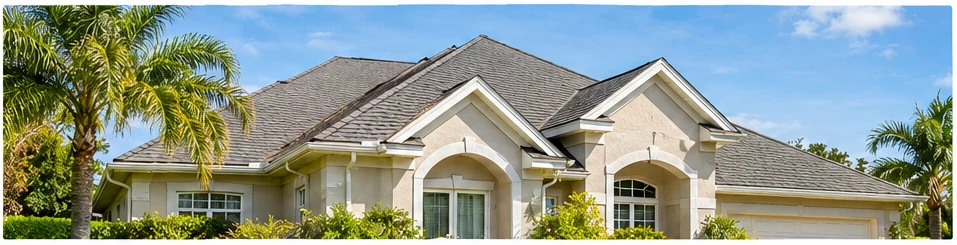
Your roof protects your home from rain, wind, sunlight and changing weather conditions. However, roofing materials do not last forever. As a roof ages, repeated exposure to Florida's heat, humidity, heavy rainfall and seasonal storms can contribute to deterioration. Recognizing the signs you need a new roof can help you make an informed decision before a minor roofing concern develops into a more extensive problem.
For homeowners in Valrico, Florida, deciding between another repair and a complete roof replacement can be challenging. A few damaged shingles or one isolated leak may be repairable. However, widespread deterioration, recurring leaks and problems affecting multiple roof sections may indicate that the roofing system is approaching the end of its useful service life.
The important thing is to evaluate the roof as a whole rather than making a decision based on one visible problem. This guide explains ten roof replacement warning signs, when to replace a roof instead of repairing it, and what to consider before making that investment.
Quick tip: One isolated roofing problem does not automatically mean you need a new roof. Look at the extent of damage, the condition of surrounding materials and the roof's repair history before deciding.
10 Signs You Need a New Roof
A roof rarely fails without showing some indication of deterioration. Some warning signs are visible from the ground, while others require a closer professional assessment. The following conditions may indicate that your roof needs replacement.
1. Your Roof Is Approaching the End of Its Expected Lifespan
Roofing materials have different expected service lives. Asphalt shingles, metal roofing, tile and other materials do not age at the same rate. Even roofs made from the same material can perform differently depending on installation quality, ventilation, maintenance and weather exposure.
If your roof is approaching the end of its expected service life, it is sensible to arrange an inspection even if there is no active leak. For homeowners in Valrico, prolonged sunlight, high temperatures, humidity and storm exposure are important conditions to consider when evaluating an older roof.
Check available installation records, previous inspection reports or property documents to establish the approximate roof age. Age alone does not prove that replacement is necessary, but it can help determine whether a more detailed assessment is appropriate.
2. Shingles Are Curling, Cracking or Missing
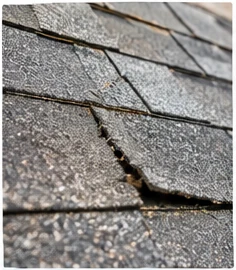
Damaged shingles are among the most recognizable roof replacement warning signs. Look for shingle edges that curl upward or downward, cracked or split surfaces, missing shingles after strong winds, loose or uneven shingles, and large areas where materials have deteriorated.
A small number of damaged shingles may be suitable for repair. However, if curling, cracking or missing shingles are widespread, the problem may involve broader deterioration. Replacing individual shingles repeatedly may not be a practical long-term solution if surrounding materials are also in poor condition.
3. You Notice Excessive Granule Loss
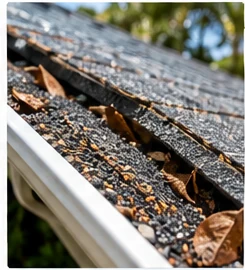
Asphalt shingles contain protective granules that help shield their surfaces from sunlight and weather exposure. Some granule loss occurs naturally as shingles age. However, an unusually large accumulation in gutters or at downspout outlets may deserve attention. You may also notice areas where the shingle surface looks unusually bare.
Granule loss can have several causes, including aging, weather exposure and physical damage. It does not automatically mean that the entire roof needs replacement. The important question is whether the loss is isolated or part of a wider pattern of shingle deterioration.
4. Your Roof Has Recurring Leaks
A leaking roof is a warning sign that should not be ignored. One isolated leak may result from damaged flashing, a displaced shingle or another localized issue that can be repaired. Recurring leaks require a closer look.
Pay attention if water stains repeatedly appear on ceilings, leaks return after previous repairs, water enters through different areas, multiple rooms develop moisture-related problems, or repairs provide only temporary relief.
Repeated leaks may indicate that several roofing components are deteriorating or that the underlying protective system is no longer performing properly. Before deciding on replacement, a professional should identify the actual source of water intrusion. A leak in one location does not necessarily mean the entire roof has failed.
5. Multiple Areas of the Roof Are Damaged
Damage affecting several roof sections can be more concerning than one isolated problem. You may notice missing shingles on different slopes, deteriorating roof edges, damaged valleys and problems around roof penetrations.
When several areas show similar deterioration, repairing each individual section may not address the overall condition of the roof. A professional assessment should establish how much of the roof is affected, whether damage is limited to surface materials, whether underlayment or decking is affected, and whether the remaining materials are in reasonable condition.
If deterioration is widespread, replacement may be more appropriate than continuing to repair separate sections.
6. Your Roof Deck Appears Sagging or Uneven
A roof should generally have a consistent appearance. Visible sagging, dips or unusual unevenness can indicate a potentially serious problem. Possible causes include prolonged moisture exposure, deteriorated decking, structural movement or other building-related issues.
Do not assume that a sagging roof can be solved simply by installing new shingles. The underlying cause must be investigated first. If you notice a visible dip in the roofline or suspect structural deterioration, arrange a professional assessment promptly. Avoid walking on or placing weight on a potentially weakened roof.
7. You Find Signs of Moisture in the Attic
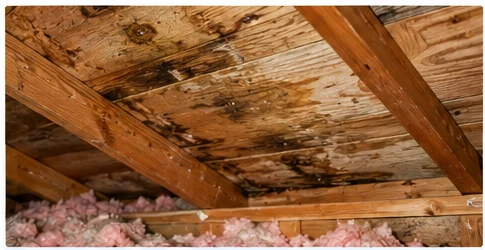
Problems beneath the roof surface can be difficult to identify from outside the house. If it is safe to access your attic, look for water staining on roof decking, damp or compressed insulation, persistent musty smells, visible moisture or condensation, discoloration on wooden roof components, and daylight entering through unexpected openings.
These signs may indicate roof leakage, ventilation problems, condensation or another source of moisture. An attic moisture problem does not automatically require a new roof. However, widespread or recurring moisture damage can indicate that the roofing system needs more extensive attention. An assessment should distinguish between roof leaks and other sources of indoor moisture.
8. Flashing and Other Roof Components Keep Failing
Flashing helps protect vulnerable areas where roofing materials meet walls, chimneys, vents and other roof features. When flashing becomes loose, damaged or deteriorated, water may enter the building.
A localized flashing problem can often be repaired without replacing the entire roof. However, repeated failures involving several roof components may suggest broader aging or installation problems. Homeowners should pay particular attention to recurring leaks around roof penetrations and transitions.
For more detail, read our guide to roof flashing leaks and their warning signs.
9. Your Roof Has Needed Frequent Repairs
One repair does not mean you need a new roof. Even a well-maintained roof can experience isolated damage. The situation becomes more concerning when repairs are needed repeatedly.
Consider the overall repair history: Have leaks returned after previous work? Are new shingles or other materials repeatedly becoming damaged? Are different roof sections developing problems? Are repair needs becoming more frequent? Is the underlying roof condition continuing to deteriorate?
Keeping records of repair dates, photographs and inspection findings can help identify patterns. If several problems continue to appear across an aging roof, compare the cost and expected usefulness of further repairs with a complete replacement.
10. Storm Damage Has Affected Large Areas of Your Roof
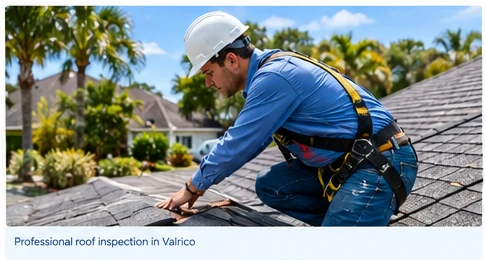
Valrico homeowners should take storm-related roof damage seriously. Strong winds, heavy rain and flying debris can affect roofing materials and other components. After a significant storm, look for missing or displaced shingles, damaged gutters and downspouts, fallen branches or debris impact, visible openings, and new ceiling stains or water intrusion.
Storm damage does not always require complete roof replacement. A limited area may be repairable, depending on the roof's overall condition. However, if a storm has affected large portions of an already deteriorating roof, replacement may deserve consideration. Never climb onto a roof to inspect storm damage yourself.
When to Replace a Roof Instead of Repairing It
One of the most important questions homeowners ask is when to replace a roof rather than arrange another repair. The answer depends on the extent of damage, the age and material of the roof, the condition of underlying components and the expected usefulness of additional repairs.
Roof repair may be appropriate when:
- Damage is limited to a small area.
- Only a few shingles are missing or damaged.
- A leak has a clearly identifiable, localized source.
- Flashing or another individual component needs attention.
- Most of the existing roofing system remains in sound condition.
Roof replacement may deserve consideration when:
- Deterioration affects several roof sections.
- Leaks continue to return after repairs.
- Shingles show widespread cracking, curling or deterioration.
- The roof is approaching the end of its expected service life and has other warning signs.
- Underlying decking or other components have extensive damage.
- Repeated repairs are no longer addressing the broader problem.
These are general guidelines, not a substitute for an inspection. A qualified roofing professional should explain the condition of the roof and why a particular solution is being recommended.
Roof Repair vs. Replacement: What Should Homeowners Consider?
Before making a decision, evaluate more than the immediate repair price.
- Overall roof condition: A roof with one damaged section may be a good candidate for repair. A roof with widespread deterioration needs a more comprehensive assessment.
- Age and roofing material: Different materials have different service-life expectations. Consider the actual material and its current condition rather than relying on a single age threshold.
- Underlying damage: Damaged decking, underlayment or other components may affect the scope of work required.
- Previous repair history: Frequent repairs may indicate that the roof needs more extensive attention.
- Written inspection findings: Ask for an explanation of the visible damage, recommended work and whether repair or replacement is being proposed.
- Total project considerations: Compare the scope, cost and expected usefulness of the proposed repair with those of replacement. The cheapest immediate option is not necessarily the most suitable long-term decision.
What Should You Do Before Deciding on a New Roof?
If you have noticed several warning signs, take a structured approach before committing to a replacement.
First, document visible concerns with photographs taken safely from the ground or accessible indoor areas. Keep previous repair invoices and any available roof installation records.
Next, arrange a professional roof inspection. Ask the inspector to identify damaged areas, assess the condition of roofing materials and explain whether the problem is localized or widespread.
Request a written estimate that clearly distinguishes between repair and replacement recommendations. If replacement is proposed, ask what components are included and whether underlying damage has been identified.
Homeowners should also independently check contractor licensing and insurance where applicable, understand the proposed work and review relevant warranty terms before hiring.
Explore our pages about Roof repair in Valrico, professional roof inspections, emergency roof leak repair and roof replacement services to learn more about common roofing needs.
Frequently Asked Questions
How do I know if my roof needs to be replaced?
Look for several warning signs together, such as widespread shingle deterioration, recurring leaks, damaged roof decking and repeated repair needs. A professional inspection can help determine whether repair or replacement is appropriate.
At what age should a roof be replaced?
There is no universal replacement age for every roof. The appropriate timing depends on roofing material, installation quality, maintenance, ventilation and weather exposure. Roof age should be considered alongside its actual condition.
Is it better to repair or replace an old roof?
Repair may be suitable when damage is limited and the remaining roof is in good condition. Replacement may be more appropriate when deterioration is widespread, leaks keep returning or underlying components are significantly damaged.
Can a roof need replacement without leaking?
Yes. Widespread shingle deterioration, excessive granule loss, damaged roof components or visible sagging can indicate serious problems even when there is no active indoor leak.
Do curling shingles mean I need a new roof?
Not necessarily. Curling shingles can indicate aging or damage, but the extent of the problem matters. A few affected shingles may be repairable, while widespread curling may indicate that replacement should be considered.
Should I replace my roof after storm damage?
Not automatically. The decision depends on the extent of damage and the roof's previous condition. Localized damage may be repairable, while extensive storm damage may justify replacement after a professional assessment.
Make an Informed Roofing Decision in Valrico
Knowing the signs you need a new roof can help you recognize when your roofing system needs attention. Missing shingles, recurring leaks, excessive granule loss, visible sagging and widespread deterioration are all reasons to investigate the roof's condition.
However, not every roofing problem requires complete replacement. A localized issue may be resolved through repair, while extensive or recurring problems may indicate that a new roof is worth considering. The best next step is to understand the actual condition of the roof before deciding how to proceed.
If you have noticed roofing problems and want to explore your options, contact Elder Roofing Valrico at (813) 227-6874 to discuss roof repair, inspection and replacement assistance.
Elder Roofing Valrico is a free service that connects homeowners with local service contractors. Contractors are independent. The website does not warrant or guarantee contractor work. Homeowners should independently verify a contractor's license and insurance before hiring. People shown in photographs or videos may be actors or models and are not necessarily listed contractors.